

Key Takeaways
- Golf simulators suit golfers with limited time for full rounds.
- Weather reliability supports consistent practice habits.
- Simulators work best for skill maintenance, not full course experience.
- Access constraints influence practice frequency more than interest.
- Fit depends on whether efficiency or on-course play matters more.
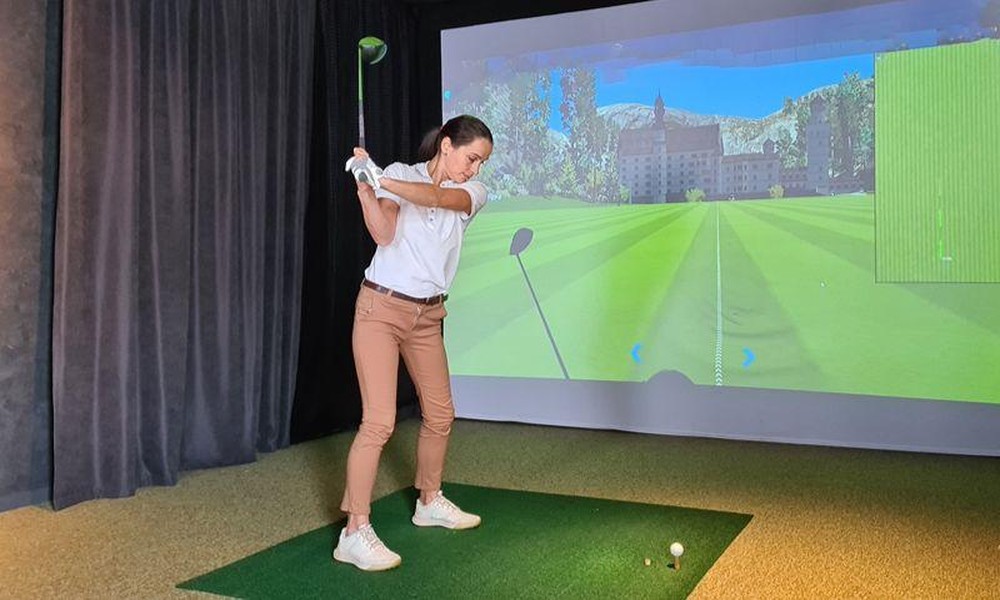
Playing golf in Singapore requires planning beyond the swing itself. Course availability, travel time, and long rounds shape how often golf fits into the week. For many golfers, interest remains steady while access becomes irregular. In this context, a golf simulator in Singapore enters the routine not as a replacement for the course, but as a way to keep golf present when conditions limit play. Its usefulness depends less on realism and more on whether it fits how time and energy are actually managed.
1. Time Fits in Shorter Blocks
A full round of golf demands several uninterrupted hours, making spontaneous play difficult for golfers managing work and personal commitments. Simulators allow practice sessions to fit into shorter windows, such as after work or between appointments, without the travel and waiting time required by a course. This shift changes how often golfers practise rather than how intensely they train, making regular engagement possible without needing a free afternoon to open up.
2. Practice Continues Regardless of Weather
Outdoor golf in Singapore is shaped by heat, humidity, and sudden rain, which can disrupt even carefully planned rounds and interrupt practice rhythm. When sessions are delayed or cancelled, motivation often drops along with consistency. Golf simulators remove this uncertainty by providing a controlled environment where practice proceeds as scheduled, allowing routines to hold even when conditions outside change. For golfers focused on maintaining regular engagement, weather reliability carries more practical value than atmosphere.
3. Skill Maintenance Takes Priority Over Experience
Not every golf session is meant to replicate course strategy or terrain management, especially when the goal is to maintain swing mechanics, distance control, or shot consistency between rounds. In this context, a golf simulator in Singapore supports focused practice by allowing repeated swings and immediate feedback without the interruptions of pace-of-play or course availability. Although it does not reproduce real course conditions, it keeps technical skills active and calibrated during periods when getting onto the course is less practical.
4. Access Limits No Longer Dictate Frequency
Golf course access in Singapore is shaped by membership structures, booking windows, and peak-hour demand, which together limit how frequently golfers can secure tee times. When regular play depends on availability rather than interest, practice becomes irregular and momentum drops. Simulators remove this bottleneck by allowing golfers to practise without competing for limited slots, reducing reliance on course schedules. This shift steadies engagement for golfers whose work hours or personal commitments rarely align with traditional access windows.
5. Fit Depends on Playing Priorities
Golf simulators tend to suit golfers who prioritise efficiency, measurable feedback, and repetition, particularly those working on swing refinement or rebuilding consistency after time away from the game. These players benefit from controlled conditions that allow repeated practice without the interruptions of pace-of-play or course logistics. By contrast, golfers who value walking the course, reading greens, and adjusting to changing lies may find simulators restrictive, as these elements are central to their enjoyment. Satisfaction ultimately depends on whether expectations align with simulation’s role as a practice tool rather than a full substitute for course play.
Conclusion
A golf simulator in Singapore works best as a response to access limits rather than a replacement for the course, supporting regular practice when long rounds, travel time, or weather make play difficult to sustain. Its value appears through maintained routines and steady skill engagement, as sessions can be scheduled without relying on ideal conditions or extended time blocks. For golfers whose schedules restrict frequent rounds, simulators keep the game active in a way that preserves momentum without turning participation into a compromise.
Contact clubFACE to explore how alternative practice formats support consistency and commitment in skill-based activities.
